Asantehene Cuts Sod for Otumfuo Osei Tutu II Museum at Takoradi Technical University; Receives Lifetime Achievement Award for Heritage, Innovation and Excellence
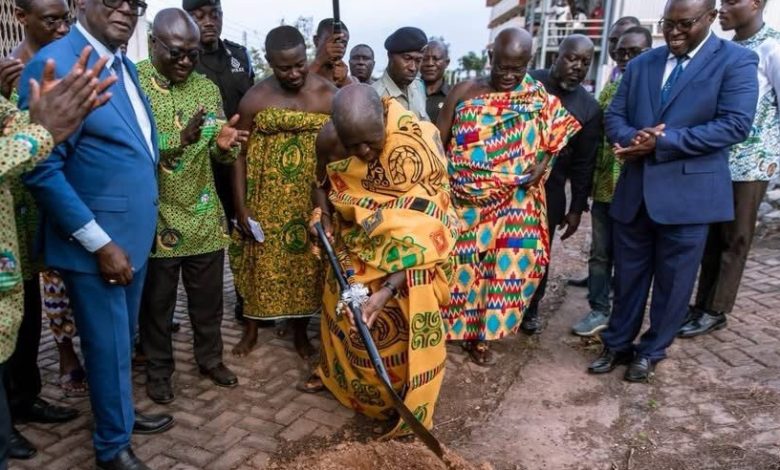
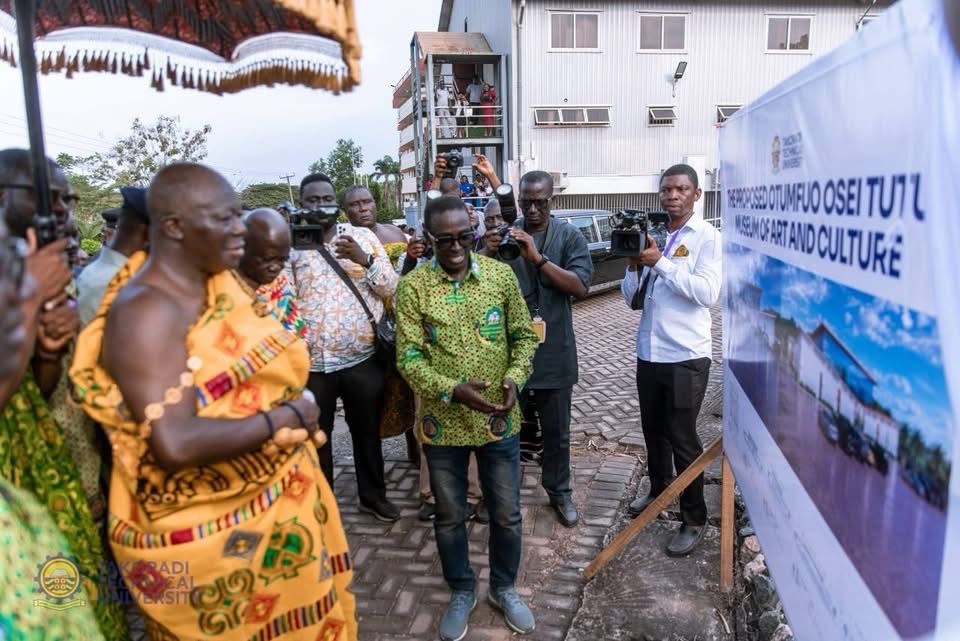
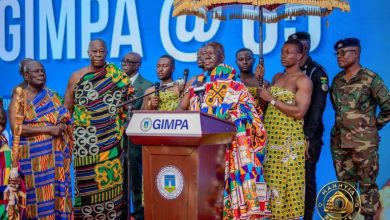
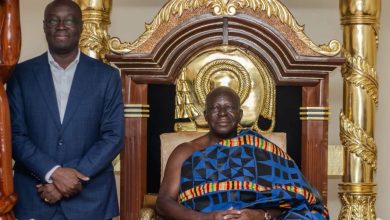
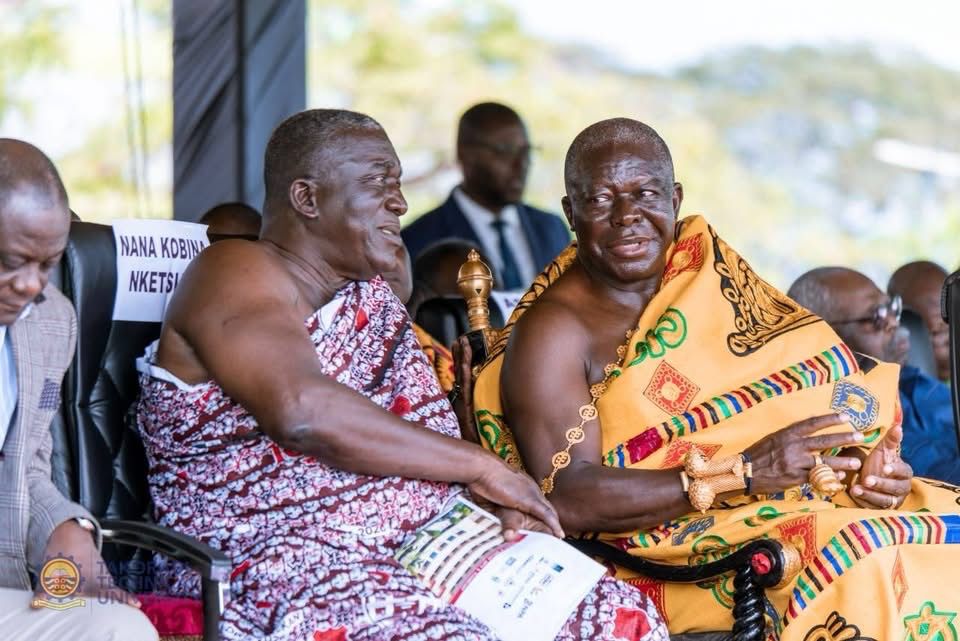
The Asantehene, Otumfuo Osei Tutu II, has cut the sod for the Otumfuo Osei Tutu II Museum of Art and Culture at Takoradi Technical University (TTU).
The museum will preserve and promote Ghanaian art, culture and heritage while providing permanent exhibition space for students in fashion, ceramics, graphic design and painting.
The ceremony coincided with TTU’s Faculty of Applied Arts and Technology (FAAT) Open Day, themed “Celebrating Heritage, Innovation and Excellence: A Tribute to Otumfuo Osei Tutu II’s Legacy.”
Lifetime award
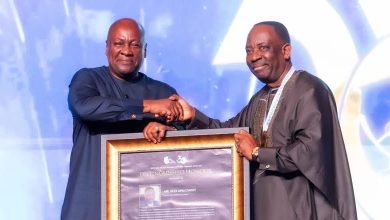
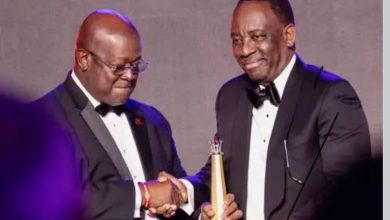
University management, led by Vice-Chancellor Rev. Prof. John Frank Eshun, conferred a Lifetime Achievement Award on the Asantehene for his leadership and contributions to education, art and culture.
Skills gap warning
Addressing the gathering, the Asantehene urged TTU to strengthen practical training to produce skilled technicians who can fill Ghana’s industrial skills gap.
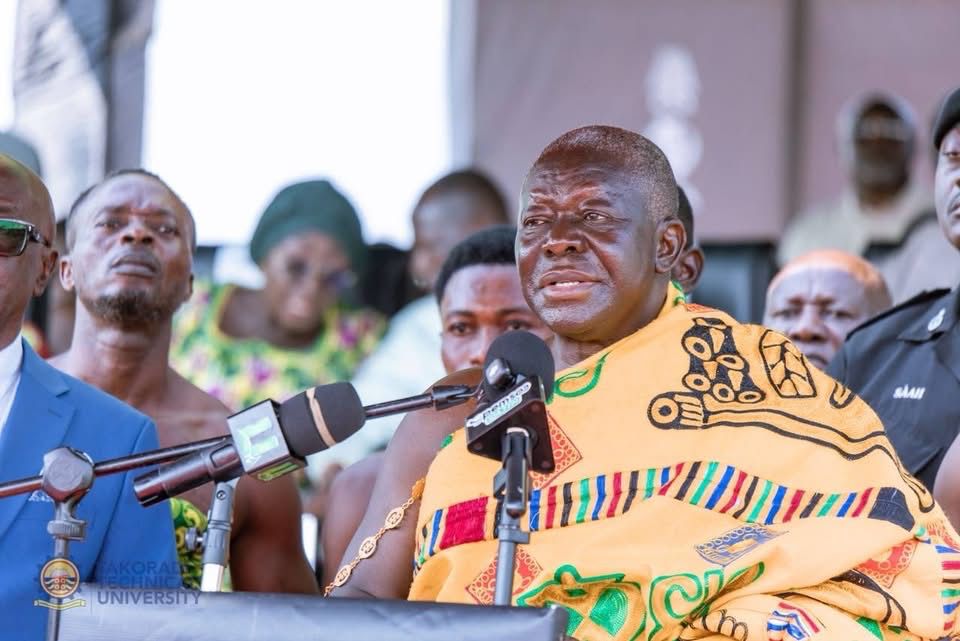
He stressed the role of technical universities in building the workforce needed for national development. “Your university has the opportunity to make a great impact upon the economy of the nation by taking the training of the technicians who will fill the skills gap hindering our development efforts,” he said.
He also advocated integrating indigenous knowledge into formal education, combining traditional craftsmanship with modern technology to drive innovation, research and enterprise. “Our heritage should be a foundation on which we build. We can protect valuable traditions while allowing them to inspire contemporary designs, technology, research and enterprise,” he stated.
He encouraged students to become job creators rather than relying solely on conventional employment.
Creative Arts as economy
The Vice-Chancellor welcomed the Asantehene and called for creative arts to be recognised as a major economic driver. He said the sector must move beyond its perception as a cultural and recreational activity and be repositioned as an organised sector capable of generating wealth, jobs and investment. “Ghana must move from celebrating its heritage to building an economy around it,” he stated.
He reaffirmed TTU’s commitment to equipping students with technical knowledge, creativity and entrepreneurial skills to turn cultural and artistic resources into viable products, businesses and jobs.
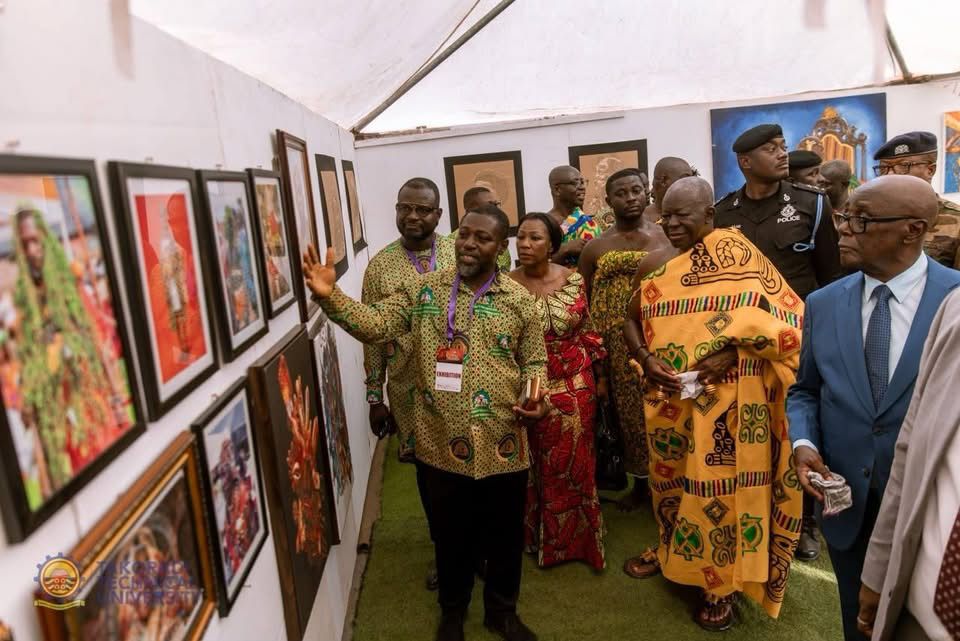
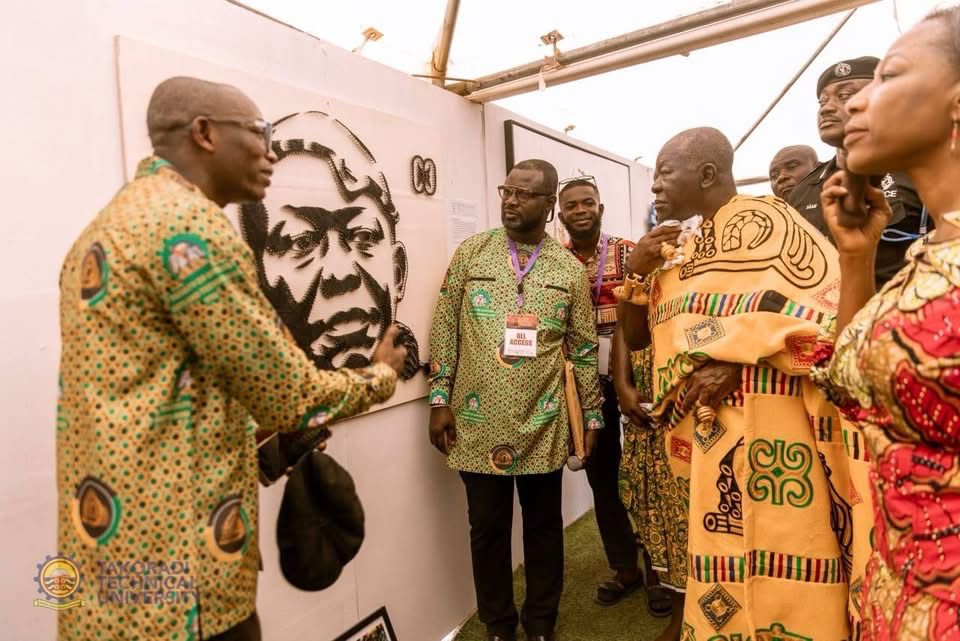
FAAT Dean Prof. Owusu Ansah Ankrah described the Open Day as a platform to showcase students’ creativity, technical competencies and practical application of classroom knowledge.
He said the exhibition demonstrated the value of practical education and collaboration among academia, industry, government and traditional institutions, noting that students’ works reinterpreted indigenous symbols and knowledge through contemporary expression.
Ministerial support
Tourism, Culture and Creative Arts Minister, Abla Dzifa Gomashie highlighted the economic potential of tourism, culture and creative arts, especially for youth and women employment. She cited cultural festivals, historical sites, museums, attractions and creative enterprises as areas for investment and job creation, and urged students to turn creative talents into marketable products and businesses.
Lands and Natural Resources Minister, Kofi Armah Buah stressed environmental conservation in preserving cultural and natural heritage, linking land resources, traditional crafts, festivals and tourism. He urged students to use local materials and creativity to promote sustainability, innovation and employment.
Heritage call
The Chairman of the event, Nana Kobina Nketiah V, called for preserving and developing Ghana’s cultural heritage. “We seem to be developing cultural illiteracy. We have to preserve our culture and develop it for those who come after us,” he said.
Open Day showcase
The Open Day featured an exhibition of artworks, fashion designs and creative projects, demonstrating students’ artistic ingenuity and technical skills. It reinforced TTU’s commitment to practical, industry-responsive education and to creativity, innovation and entrepreneurship as drivers of national development.