‘Pillar of Peace’ Otumfuo Intervenes in Rector–Former Rector Rift at GIMPA

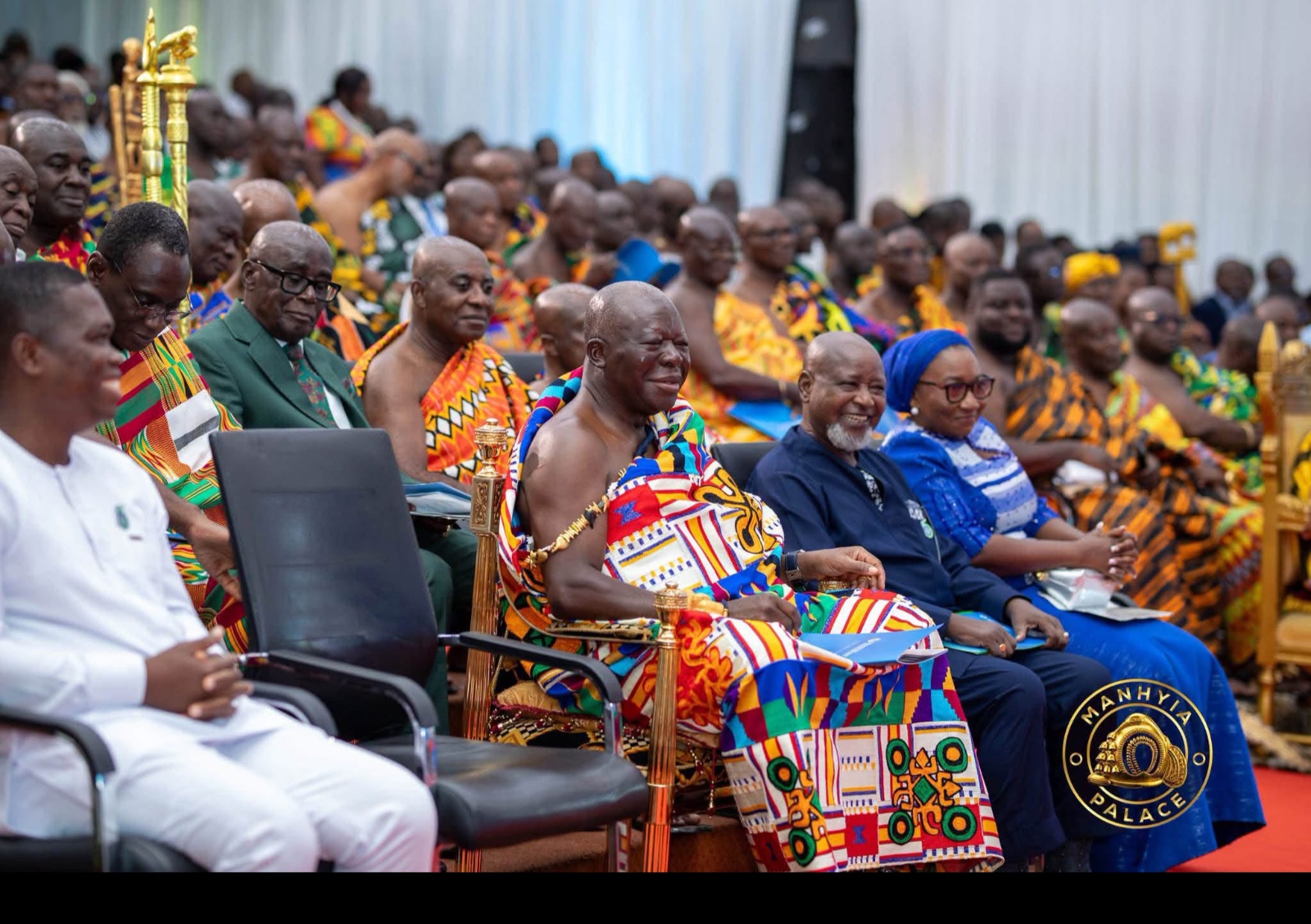
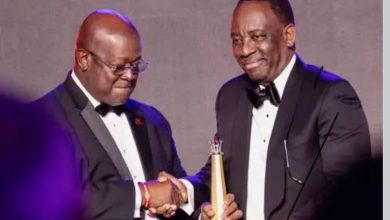
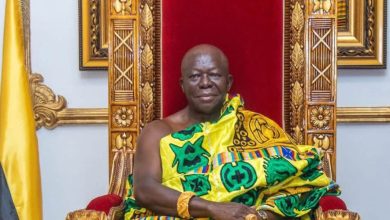
The Asantehene, Otumfuo Osei Tutu II, widely regarded as a pillar of peace, has stepped in to resolve a rift between the current Rector of the Ghana Institute of Management and Public Administration (GIMPA), Prof. Samuel Kwaku Bonsu, and his predecessor, Prof. Stephen Adei, calling for a fresh meeting between the two.
Speaking at the climax of GIMPA’s 65th anniversary celebration in Accra on November 11, 2026, the Asantehene emphasised the need for reconciliation between the current and former Rectors over their past disagreement.
He stressed that GIMPA still needs the advice and support of its experienced leaders, and that the current leadership is ready to listen. “But we haven’t revealed all the history. I think there’s still more. My son, we have to meet again. We have to. Whatever it is, they [GIMPA leadership] will still need your [Prof. Adei’s] advice and support, and I’m sure they are all prepared to listen to you,” Otumfuo said.

Reconciliation
Referring directly to the disagreement, the Asantehene insisted it could still be resolved. He urged Prof. Adei to let go of any hurt and allow the matter to be settled. “This issue that happened some years ago can still be resolved. It should be out of your mind. Leave it, forget about it. He will resolve it. Don’t take it to heart again,” he urged Prof. Adei, adding: “You still bear the title of Mr. GIMPA, and that cannot be taken away from you.”
Public service
In a broader address, Otumfuo also charged GIMPA and other institutions to cultivate leaders who understand public service as a position of trust, not an opportunity for personal advantage.

He acknowledged Ghana’s considerable number of highly educated professionals, but noted that the quality of institutions depends not only on technical competence but also on the character, integrity and sense of duty of those who lead them. “A nation may possess modern infrastructure and highly qualified professionals, yet continue to struggle if corruption and weak accountability undermine its institutions,” he said.
Common good
“We must therefore cultivate leaders who understand that public service is a position of trust, who value competence above connections, self above privilege, and national interests above personal advantage. The end of our institutions will ultimately depend not only upon the knowledge of those who manage them, but also upon their integrity and their willingness to place the common good above personal convenience,” he stated.