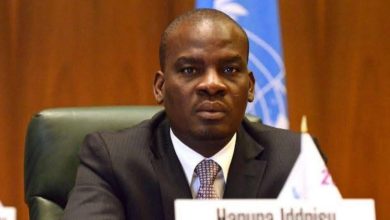
Today’s Budget Presentation: Show Us the Jobs, Not Just the Statistics”— Hassan Ayariga to Ato Forson
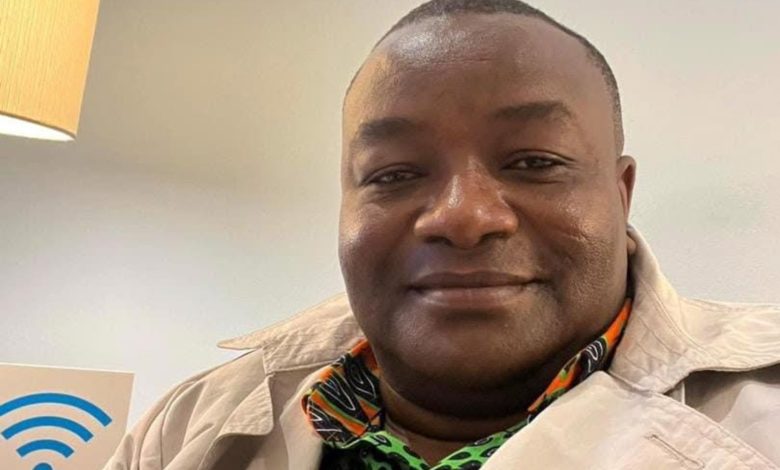
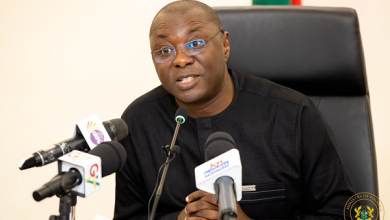
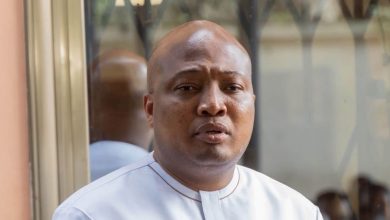
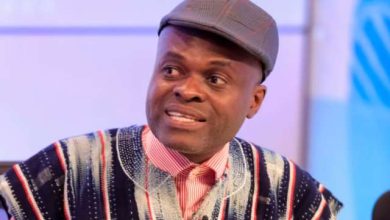
Dr. Hassan Abdulai Ayariga, Founder and Leader of the All People’s Congress (APC), has challenged Finance Minister Dr . Ato Forson and the NDC government ahead of Thursday’s 2027 Budget, demanding verifiable proof of job creation rather than glowing macroeconomic figures.
“Show us the jobs, not just the statistics,” Dr. Ayariga declared in Accra, insisting that employment, not fiscal deficits or inflation numbers, must be the true measure of the government’s economic performance.
While acknowledging progress in stabilising the economy, he warned that thousands of young Ghanaians remain without productive opportunities.
He called on President John Dramani Mahama and Finance Minister Dr. Cassiel Ato Forson to publish independently verifiable employment data, particularly for the 24-hour economy programme. “Job creation cannot be measured solely by political promises or projected figures. Ghanaians deserve independently verifiable results,” he said.
Macroeconomic gains but welfare questioned Gains
Dr. Ayariga conceded that the government had recorded notable successes, including a reduced fiscal deficit in the first half of 2026, a primary surplus, and a substantial decline in inflation. “These developments are relevant to restoring fiscal credibility,” he noted, but cautioned, “Lower inflation does not mean prices have fallen. Government must show how stabilisation is improving purchasing power, wages and employment.”
Budget release shortfalls
Citing Bank of Ghana reporting, Dr. Ayariga said total expenditure in the first half of 2026 was about 24.9% below target, with capital expenditure also short. “Where cash releases are delayed, hospitals, schools, road construction and water infrastructure suffer,” he said.
He urged the Finance Ministry to publish allocations, releases and actual spending by every ministry. “Fiscal discipline must not become an excuse for neglecting essential public services. A budget must be implemented, not merely announced.”
Unemployment & 24-hour economy
Employment remains Ghana’s most pressing concern, Dr. Ayariga said. He demanded that the 2027 Budget identify verified new jobs created in 2026, the split between permanent and temporary jobs, and sectors expected to generate employment in 2027.
He criticised the 24-hour economy programme, noting that in October 2026 officials admitted a verified jobs figure was not yet available. “This is a major accountability concern for a programme whose central objective is employment creation,” he said, adding, “A factory cannot become profitable simply because it operates at night. A shop cannot employ more workers if customers lack purchasing power.”
Dr. Ayariga called for a full implementation report on investments, disbursements, projects and production gains.
New Economy
Dr. Ayariga questioned the proposed US$10 billion New Economy programme, asking how it differs from the 24-hour economy and whether it has credible funding and measurable targets.
He also raised concerns over foreign ownership in strategic industries, calling for a national review of major concessions and public-private partnerships covering beneficiaries, duration, public obligations, Ghanaian participation and employment commitments. “Foreign investment must produce fair benefits for Ghana,” he said.
Agriculture, water and cost of living
On agriculture, he urged measurable progress in irrigation, mechanisation, storage and food processing.
On water, he said, “A country cannot achieve sustainable transformation while communities struggle for safe drinking water.” He called for a costed national water security programme, including assessment of the reported US$60 million emergency financing requirement for Ghana Water Limited.
He also urged action on transport, housing, utilities, education and healthcare costs without undermining fiscal sustainability.
Proposals
Dr. Ayariga proposed an alternative budget framework built on seven priorities: productive employment, Ghanaian enterprise development, reliable infrastructure, agricultural transformation, public financial accountability, strategic resource governance and measurable government performance.
He posed ten direct questions to President Mahama and the Finance Minister, including: How much of the 2026 budget was actually released to each ministry? How many sustainable jobs were created under the 24-hour economy? What announced investment was actually disbursed? What safeguards protect Ghanaian ownership in strategic concessions? And how will the 2027 Budget translate stability into improved living standards?