
Ghana’s inflation drops to 6.3% in November, lowest since 2021
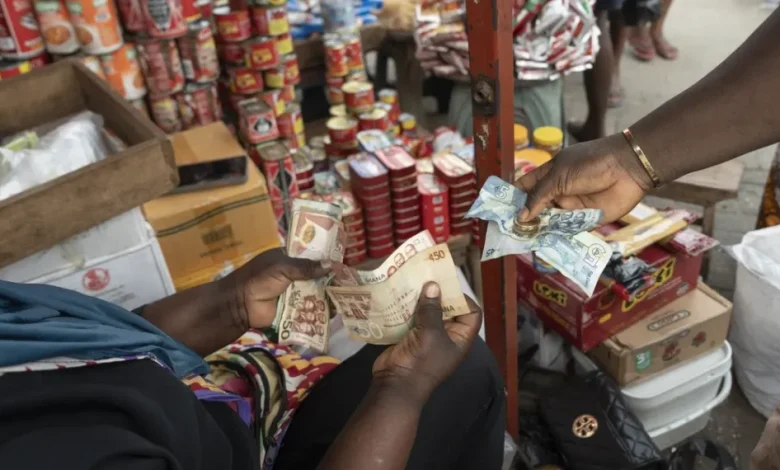
Ghana’s inflation rate continued its steady decline in November 2025, falling to 6.3%—the lowest level since the 2021 rebasing of the Consumer Price Index (CPI).
This marks the eleventh consecutive month of easing price pressures and reinforces signs of improving macroeconomic stability.
The government statistician, Dr. Alhassan Iddrisu, on Wednesday, December 3, 2025, attributed the decline to broad-based improvements in both food and non-food inflation, supported by stabilising market conditions.
According to data from the Ghana Statistical Service (GSS), food inflation dropped sharply from 9.5 percent in October to 6.6% in November, reflecting sustained easing across major food groups, improved supply, and moderated transport and distribution costs.
The report also shows continued stabilisation in both locally produced and imported goods. Local inflation declined from 8.0% in October to 6.8% in November, driven by improved availability of domestic food items, reduced fuel-related pressures, and relative currency stability.
Imported inflation eased from 7.8% to 5.0% over the same period, reflecting lower global commodity prices and improved import cost dynamics.
The combined decline indicates that price pressures are easing across the entire basket of goods, covering both home-produced and imported essentials.
Dr. Iddrisu described the development as a meaningful step toward restoring economic stability: “Ghana’s inflation has dropped to 6.3% in November 2025, the lowest since the 2021 rebasing and the 11th straight month of decline.”
For households and businesses, the data signals a more predictable cost environment after years of volatility influenced by global shocks, supply-chain disruptions, and currency depreciation.
The GSS said it will continue to monitor pricing trends closely to help sustain the gains in the months ahead.