
Minority to introduce PFM Amendment Bill to strengthen fiscal discipline
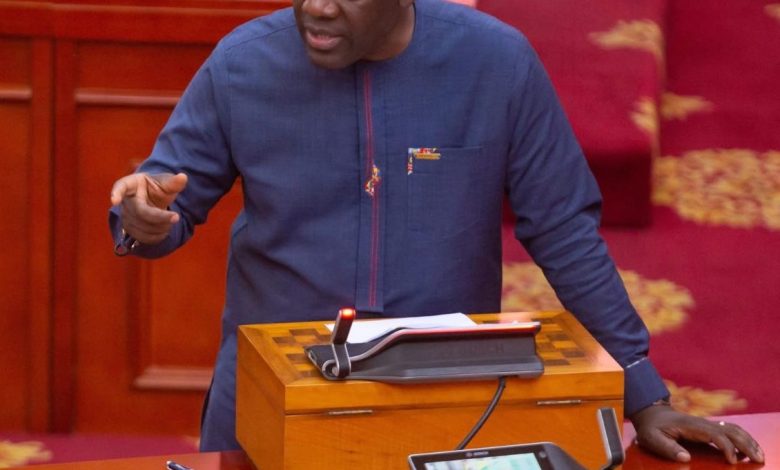
The Minority in Parliament is set to introduce the Public Financial Management (Amendment) Bill, 2026, aimed at tightening fiscal discipline and enhancing accountability in public expenditure.
The proposed Private Member’s Bill seeks to amend the existing Public Financial Management Act to ensure that the disbursement of annual budgetary allocations is strictly aligned with national development priorities approved by the National Development Planning Commission (NDPC).
Speaking at a stakeholder engagement on the proposed legislation, the Ranking Member on Parliament’s Economy and Development Committee and Member of Parliament for Ofoase-Ayirebi, Kojo Oppong Nkrumah, explained that the amendment would prevent the Minister for Finance, Dr Cassiel Ato Forson, from releasing funds to Ministries, Departments and Agencies (MDAs), as well as Metropolitan, Municipal and District Assemblies (MMDAs), for projects that are not captured in the approved national development framework.
According to Oppong Nkrumah, the objective is to curb unplanned and discretionary spending that falls outside the country’s strategic development agenda.
“This amendment seeks to deny the Ministry of Finance the opportunity to fund such projects and programmes. This is separate from contingencies or emergencies that may arise. But for regular programmes and projects that have not been included in the strategic plan of the MMDA or the MDA to get certification, the object of this amendment bill is to deny funding for it until such a time that it is captured and certified as part of the National Development Planning Commission’s programme,” he said.
The Deputy Clerk to Parliament in charge of Legislative Management Services, Camillo Pwamang, said the proposed amendment would also ensure that annual progress reports on development programmes are published before the issuance of expenditure warrants.
“By amending the PFM Act, the bill would, among other things, make development plans duly approved by the NDPC, the mandatory basis for the preparation of the annual budget.
“It also requires the publication of annual progress reports as a precondition for the inclusion of estimates in the budget and for the issuance of expenditure warrants” he said.