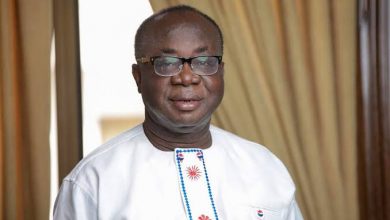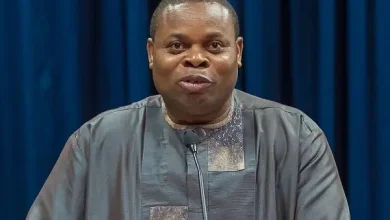
Frimpong-Boateng, Nyaho Tamakloe and Amoako-Nuamah sue NPP, NDC, and CPP over delegate system
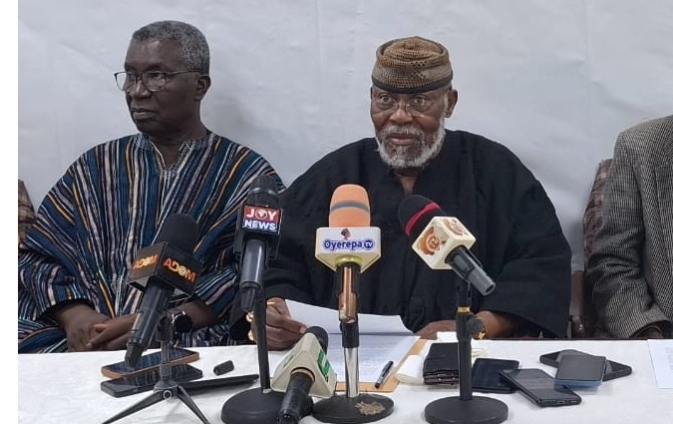
Former Minister of Environment, Science, Technology and Innovation, Prof. Kwabena Frimpong-Boateng, veteran politician Dr. Nyaho Nyaho-Tamakloe, and former Education Minister Dr. Christine Amoako-Nuamah have filed a suit at the Supreme Court challenging the constitutionality of the delegate-based systems used by Ghana’s major political parties to elect their presidential and parliamentary candidates.
The three plaintiffs are seeking constitutional declarations against the New Patriotic Party (NPP), National Democratic Congress (NDC), and Convention People’s Party (CPP), arguing that the parties’ internal electoral arrangements materially disenfranchise ordinary party members and violate the democratic principles entrenched in the 1992 Constitution.
The Attorney-General and the Electoral Commission (EC) have also been joined as defendants, with the plaintiffs contending that the EC has failed in its constitutional and statutory duty to ensure that the internal organisation of political parties conforms to democratic principles as required under Article 55(5) of the Constitution and section 9(a) of the Political Parties Act, 2000 (Act 574).
According to the plaintiffs, political parties in Ghana are not private clubs but constitutionally recognised institutions through which citizens exercise political power and access public office. As such, they argue, the processes by which parties select presidential and parliamentary candidates form a core part of their “internal organisation” and must comply with democratic standards, including equal, direct, and meaningful participation of members in good standing.
In their statement of case, the plaintiffs contend that the delegate-based electoral college systems currently employed by the NPP, NDC, and CPP restrict voting to a narrow class of party executives, office holders, and selected delegates, thereby excluding or materially disenfranchising the majority of party members from participating in the most consequential decisions within their parties.
They argue that this structure offends not only Article 55(5) but also other constitutional provisions guaranteeing political equality, participation, and the right to vote, including Articles 1, 17, 35(6)(d), and 42 of the Constitution.
The suit traces the internal arrangements of each party, noting that while the NDC briefly experimented with a universal suffrage model for the election of its presidential candidate in 2015, it later reverted to a restricted delegate system.
The plaintiffs argue that this regression underscores the need for judicial clarification of the constitutional meaning of “democratic principles” as applied to internal party elections.
The plaintiffs are asking the Supreme Court to declare the delegate systems unconstitutional and to strike down the relevant provisions in the constitutions and electoral rules of the three political parties.
They are further seeking consequential orders directing the parties to amend their constitutions to adopt candidate selection procedures that ensure equal, direct, and meaningful participation of members.
In addition, the plaintiffs want the court to order the Electoral Commission to enforce compliance with Article 55(5) and the Political Parties Act in the supervision and regulation of internal party elections